

What is Cloud Computing?
There is a revolution in cloud computing how to manage businesses and individual access, stores and data. It is a technique that distributes computing services – such as servers, storage, database, networking and software – instead of relying on physical hardware on the Internet (“cloud”).
This guide finds out what cloud computing is, its benefits, types and genuine world applications, clarity and SEO.

Cloud computing is a transformational technique that distributes scalable, cost -effective computing resources on the Internet. From startups to enterprises, it strengthens innovation, cooperation and efficiency.
Its types (public, private, hybrid), service models (IAAS, PAA, SAAS), and by understanding the benefits, you can use its ability for your needs. Addressing the challenges like security and cost, be informed about the providers and best practices to maximize the price.
What is Cloud Computing?
Cloud computing refers to the distribution of on-demand computing resources through the Internet. Instead of owning physical server or data centers, users can rent services from cloud provider such as Amazon Web Services (AWS), Microsoft Azure, or Google Cloud. These services are scalable, flexible and cost-efficient, making them ideal for businesses of all sizes.
With cloud computing, you only pay for things you use, reaching resources immediately without hardware costs. It prefers to rent a car instead of buying one – you get benefits without maintenance.
Why Cloud Computing Matters?
Cloud computing is a game-changer for modern businesses. This enables startups on a rapid scale, allows enterprises to reduce the cost, and strengthen developers to deploy applications globally. Taking advantage of the cloud, companies can rapidly innovate, improve cooperation and increase data security.
The global cloud computing market is estimated to increase considerably, operated by flexibility and efficiency demand. Whether you are a small business or a technical veteran, it is necessary to understand cloud computing to be competitive.
Types of Cloud Computing
Cloud computing is categorized into three main types, each serving distinct needs:
1. Public Cloud
Public clouds are owned and operated by third-party providers such as AWS or Google Cloud. Many users share resources, making it cost -effective for small businesses. Think of it as a shared taxi – cheap but less customable.
2. Private Cloud
A private cloud is dedicated to a single organization, which provides more control and protection. It is ideal for industries such as healthcare or finance, where data privacy is important. It is like owning a private jet – exclusive but expensive.
3. Hybrid Cloud
Hybrid clouds combine public and private clouds, allowing data and applications to move between them. It provides flexibility, which enables businesses to balance cost and security. It is like both a car and bike for various needs.
Cloud Computing Service Models
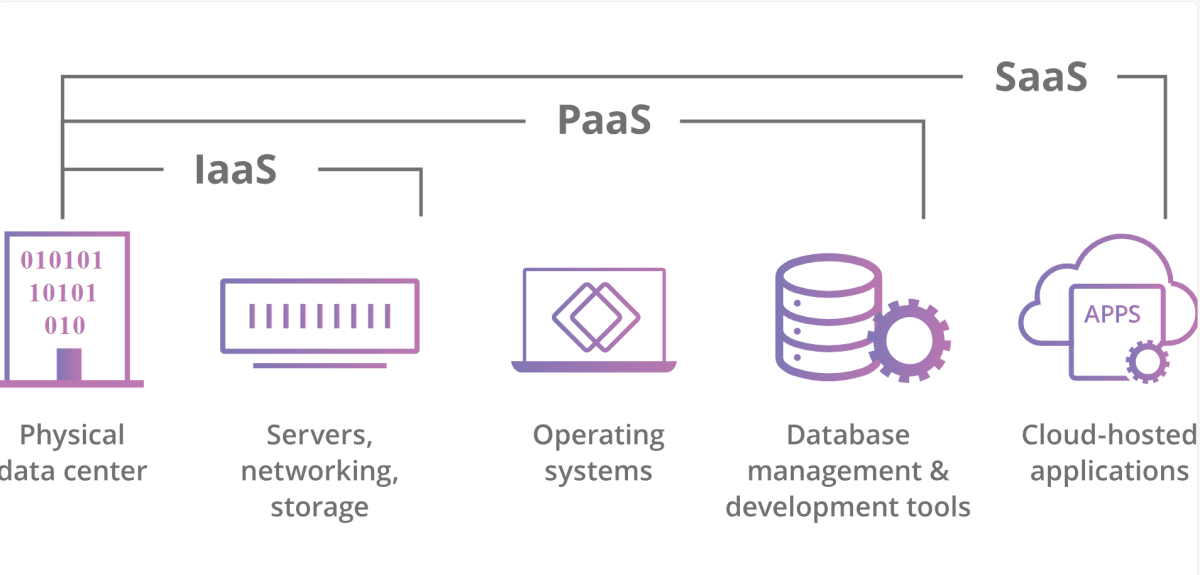
Cloud computing services are divided into three primary models:
Infrastructure as a Service (IaaS)
IaaS provides virtuous computing resources such as servers and storage. Examples include AWS EC2 and Google Compute Engine. This is perfect for businesses requiring scalable infrastructure without physical hardware.
Platform as a Service (PaaS)
The Paas provides a platform for the construction, testing and deployment of applications without the management of the underlying infrastructure for developers. Think about Google App Engine or Microsoft Azure App Services. It streamlines development processes.
Software as a Service (SaaS)
The mother -in -law distributes software on the Internet, eliminating the need for local installation. Popular examples include Google workspace and dropbox. Users access these tools through a browser, making them highly convenient.
Advantages of Cloud Computing
Cloud computing provides many advantages that run their widespread adoption:
- Cost Efficiency: Pay-A-U-Go models reduce advance costs.
- Scalability: Easily the resources up or down depending on the demand.
- Accessibility: Access data and application from anywhere with internet connection.
- Security: Cloud providers invest heavy in advanced security measures.
- Collaboration: Teams can work basically in places.
Real-World Applications of Cloud Computing
Cloud computing uses several services that we use daily. Streaming platforms such as Netflix rely on the cloud for seamless content delivery. E-commerce giants such as Amazon use it to handle large scale traffic spikes. Even small businesses take advantage of sloud-based tools such as zoom or communication.
From AI development to large data analytics, clouds support innovation in computing industries. It is the backbone of modern technology, which enables everything from mobile apps to global enterprises.
Challenges of Cloud Computing
There are challenges in powerful, cloud computing:
- Security Concerns: Storage of data off-site increases privacy risk.
- Downtime: Reliance on Internet connectivity can lead to outage.
- Costs: Excessive use of resources can increase bills unexpectedly.
How to Get Started with Cloud Computing?
Are you ready to dive into cloud computing? Start by assessing your needs – do you need storage, software or development platform? Find the research provider such as AWS, Azure, or Google Cloud, and their free levels. For beginners, mother -in -law tools such as Google Drive are a low -risk entry point.
For businesses, consult with IT experts that you prepare a cloud strategy that align with your goals. The adoption and efficiency of training teams at the cloud tool can also be promoted.
FAQs
What is cloud computing in simple words?
Cloud computing is a delivery of computing services such as storage, servers or software on the Internet, eliminating the requirement of physical hardware.
Is cloud computing safe?
The iconic cloud providers implement strong security measures, but there are risks such as data violations. Using strong passwords and encryption increases safety.
How does cloud computing costs cost?
Cloud services work on a pay-as-you-go model, which reduces expensive hardware and maintenance.
Can small businesses use cloud computing?
Yes, cloud computing is ideal for small businesses due to its ability, scalability and accessibility.

I’m a passionate of content creator. I love exploring the latest tech trends, gadgets, and game updates. Through IconicTechs, I aim to simplify complex tech topics and keep you informed, entertained, and ahead of the trends