
How to Manage Gaming Addiction: A Step-by-Step Guide
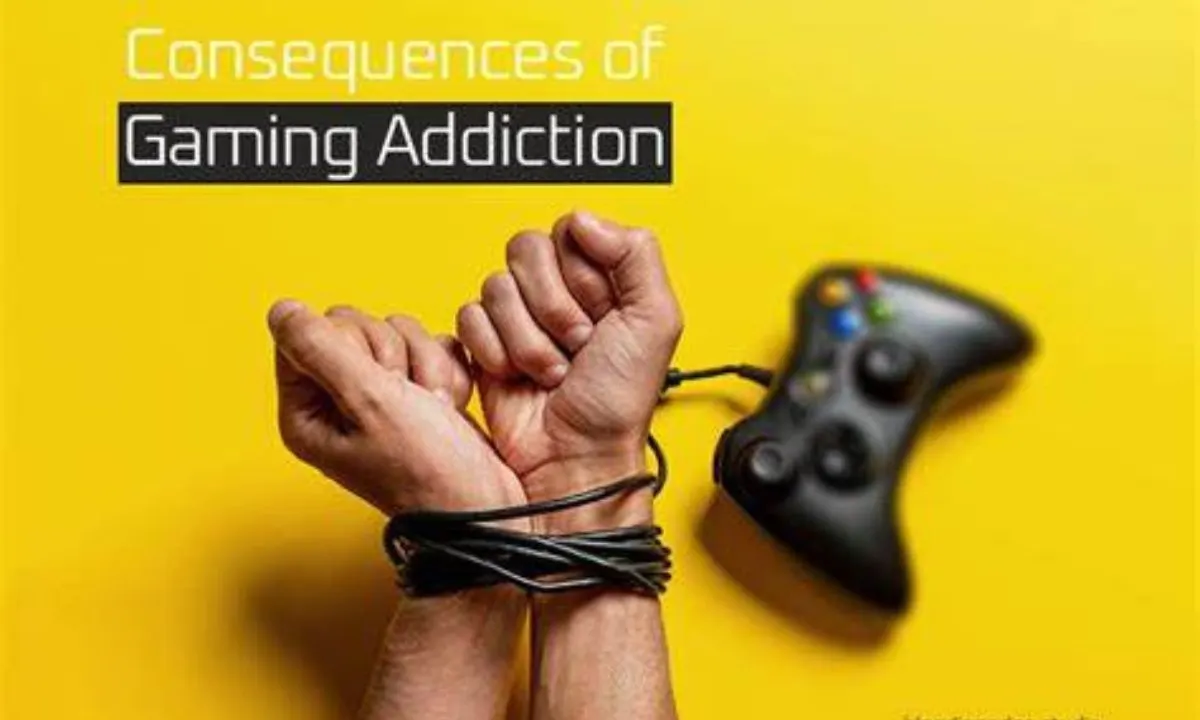
Gaming addiction, often called problematic gaming, is a growing concern in today’s digital age. This occurs when gaming becomes mandatory, interfere with daily responsibilities, relationships and mental health.
Identifying and addressing gaming addiction is important to recover balance. This SEO-unfinished guide provides practical, actionable steps to effectively manage gaming addiction by prioritizing your well-being.

Management of gaming addiction requires self-awareness, discipline and support. By setting the limit, searching for new hobbies, and asking for help when needed, you can gain control.
A balanced, prefer your mental and physical health to fulfill life. Start today with small, consistent steps towards recovery.
What Is Gaming Addiction?
Gaming addiction is characterized by inability to control gaming habits despite negative results. It is recognized by the World Health Organization as a behavioral disorder. Symptoms include work or ignoring school, social isolation, and irritability when they are unable to play. Understanding these signs is the first step towards recovery.
Why Does Gaming Addiction Happen?
Gaming addiction often stems from escapism, prize systems in games, or social connections within gaming communities. The games are designed to make attractive, which have features such as achievements and multiplayer mode that tilt the players. Identifying the trigger helps develop healthy habits.
How to Identify Gaming Addiction?
To manage gaming addiction, you must first recognize it. Here are important signs to see:
- Loss of Control: Spending more time more time than intent.
- Neglecting Responsibilities: Ignoring work, study, or family duties.
- Withdrawal Symptoms: Feeling restless or worried without gaming.
- Social Isolation: Withdrawing from real -life relationships.
- Physical Symptoms: Fatigue, poor sleep, or habits of eating unhealthily.
5 Proven Strategies to Manage Gaming Addiction
1. Set Clear Gaming Limits
Install boundaries for gaming time. Use a tool like screen-time trackers or in-game timer to apply the range. For example, limit gaming to 1-2 hours daily. Stability is important for breaking binding habits.
2. Replace Gaming with Healthy Alternatives
Relause your energy towards hobbies such as exercise, reading or learning a new skill. These activities provide satisfaction without gaming addiction. Social connections can also be promoted by joining a local sports club or art class.
3. Build a Support System
Share your goals with friends or family. Their encouragement can keep you accountable. Consider joining online forums or support groups for gaming addiction, where other similar experiences share. Open communication promoted inspiration.
4. Use Technology to Your Advantage
Freedom or Stefocus and apps such as apps to block gaming sites during work hours. Parents can limit access to sports, even for adults, for adults. These devices strengthen self-discipline and reduce temptation.
5. Seek Professional Help
If gaming addiction affects your life severely, consult a physician specialized in practical addictions. Cognitive-behavior therapy (CBT) is highly effective in addressing binding behavior. Professional provides analog strategy for guidance recovery.
Tips for Parents: Helping Kids with Gaming Addiction
Parents play a vital role in managing children’s gaming habits. Here’s how to help:
- Set Family Rules: Create screen-time schedule for all domestic members.
- Encourage Open Dialogue: Discuss the impact of gaming without decisions.
- Promote Balance: Encourage additional activities like sports or music.
- Monitor Usage: Use parent’s control to limit gaming time.
- Model Healthy Behavior: Perform balanced techniques.
The Role of Mental Health in Gaming Addictio
Gaming addiction is often associated with underlying issues such as stress, anxiety, or depression. The dependence on gaming as avoiding addressing them through mindfulness, therapy, or jernling may be reduced. The practice of self-care strengthens emotional flexibility.
FAQs
What is gaming addiction?
Gaming addiction is a behavioral disorder where individuals essentially play video games, ignore responsibilities and relationships.
How do I know that I am addicted to gaming?
The signals include loss of control over gaming, ignoring duties, social return, and when there is no game, then irritability.
Can gaming addiction be treated?
Yes, through strategies such as establishing boundaries, searching for medicine and creating a support system, gaming addiction can be effectively managed.

I’m a passionate of content creator. I love exploring the latest tech trends, gadgets, and game updates. Through IconicTechs, I aim to simplify complex tech topics and keep you informed, entertained, and ahead of the trends