
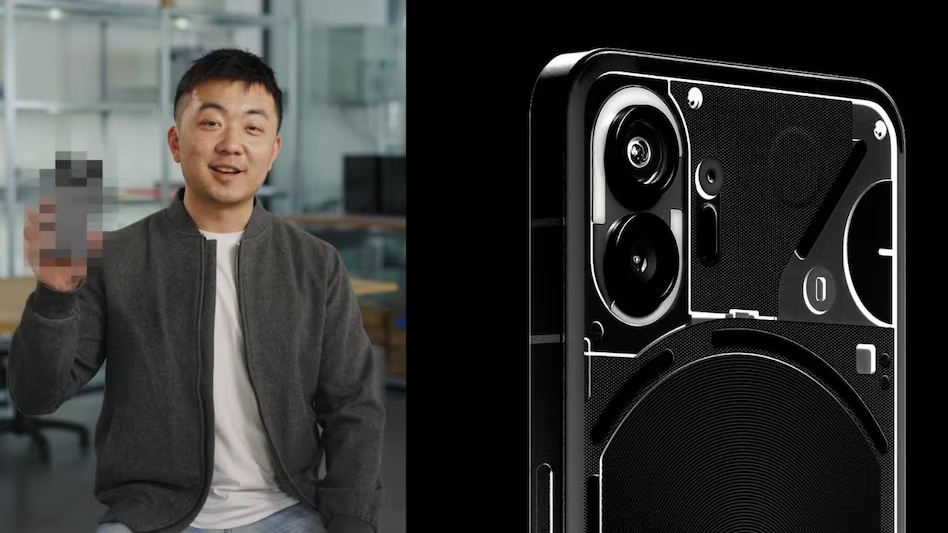
Why Nothing Phone 3 Dropped the Glyph Interface?
In this article, I’ll guide you through the surprising decision by Nothing to remove the iconic Glyph Interface from the Nothing Phone 3, set to launch in July 2026. We’ll explore why Nothing made this bold move, what changes are coming, and how this shift could redefine the brand’s identity for tech enthusiasts and gamers alike.
Short Summary
Nothing has confirmed that its flagship Nothing Phone 3 will ditch the signature Glyph Interface, the LED light system that defined its aesthetic since 2026. This decision, teased on X and discussed in community forums, signals a pivot toward a new design, possibly featuring a dot-matrix display, to compete with premium Android phones. Let’s unpack the reasons behind this change and what’s next for Nothing’s flagship.
The Glyph Interface: A Brief Recap
Since the Nothing Phone 1 debuted in 2026, the Glyph Interface—a series of LED strips on the phone’s transparent back—has been a hallmark feature. It served multiple purposes:
- Visual Notifications: Custom light patterns for calls, messages, or app alerts.
- Charging Indicator: Pulsing lights to show charging progress.
- Aesthetic Appeal: A futuristic, transparent design that stood out in a sea of generic smartphones.
The Glyph Interface was both functional and a bold statement, especially for gamers and tech enthusiasts who loved its cyberpunk vibe. However, Nothing announced on May 29, 2026, via X, “We killed the Glyph Interface,” sparking debates among fans and analysts.
Why Nothing Dropped the Glyph Interface
Nothing’s decision to remove the Glyph Interface from the Phone 3 isn’t just a design whim—it’s a strategic move to reposition the brand. Here are the key reasons behind this shift:
1. Competing in the Premium Market
Nothing is aiming the Phone 3 at the high-end segment, with a rumored price of Rs 60,000–70,000 in India (compared to the Phone 2’s Rs 44,999–54,999). To rival flagships like the iPhone 16 and Galaxy S25, Nothing likely wants a more minimalist, universally appealing design. The Glyph Interface, while iconic, was seen as niche or gimmicky by some, potentially clashing with the sleek aesthetic expected in premium phones.
2. Evolving Brand Identity
As fans on X lamented, the Glyph Interface was Nothing’s “identity,” but the company seems ready to redefine itself. CEO Carl Pei’s cryptic “RIP” response to the Glyph teaser suggests confidence in a new direction. Moving away from a feature tied to its startup days, nothing is signaling maturity and innovation, possibly to appeal to a broader audience beyond early adopters.
3. Practical Limitations
The Glyph Interface, while visually striking, had practical drawbacks:
- Battery Drain: LED lights consume power, especially during frequent notifications.
- Limited Functionality: Beyond notifications and charging, the Glyph’s uses (e.g., syncing with music or ride-hailing apps) were underutilized by many users.
- Repairability: The complex back panel increased repair costs, a concern as Nothing emphasizes repairability in 2026.
Community discussions on Nothing’s forums highlight mixed feelings—some users loved the “disco lights,” while others felt they were more style than substance.
4. Paving the Way for New Features
Nothing’s teasers hint at a replacement: a “new interactive dot-matrix display” on the Phone 3’s rear panel. This could offer more dynamic visuals or functionality, aligning with Nothing’s push for AI-powered experiences and a premium camera system. Dropping the Glyph frees up design space and resources for these innovations.
What’s Changing with the Nothing Phone 3?
Removing the Glyph Interface is just one part of Nothing’s ambitious overhaul for the Phone 3. Here’s what’s expected based on teasers and leaks:
1. New Dot-Matrix Display
- What It Is: A rumored interactive back panel, possibly inspired by the CMF Phone 2 Pro’s design, replacing the Glyph’s LED strips.
- Potential Features: Dynamic animations, customizable patterns, or integration with Nothing’s AI features for smarter notifications.
- Why It Matters: A dot-matrix display could retain Nothing’s unique aesthetic while offering more versatility than the Glyph’s static lights.
2. Flagship Performance
- Chipset: The Phone 3 is expected to feature Qualcomm’s Snapdragon 8 Gen 3, a bold choice for a flagship vying for top-tier performance in gaming and multitasking.
- Camera Upgrades: Leaks suggest an improved main sensor, likely enhancing low-light photography and video, appealing to content creators.
3. Software Enhancements
- Nothing OS 3.1: Built on Android 15, it includes Private Space (as covered in my previous article) and enhanced AI features for personalized user experiences.
- Minimalist UI: The Phone 3 may lean into Nothing’s clean, monochromatic design language, aligning with its new aesthetic.
4. Pricing and Positioning
- Price Hike: Expected at Rs 60,000–70,000 in India, reflecting premium specs and a shift from mid-range to flagship status.
- Target Audience: Gamers and tech enthusiasts will appreciate the performance boost, while the new design may attract mainstream users.
| Feature | Nothing Phone 2 | Nothing Phone 3 (Expected) |
|---|---|---|
| Rear Design | Glyph Interface (LED strips) | Dot-matrix display |
| Chipset | Snapdragon 8+ Gen 1 | Snapdragon 8 Gen 3 |
| Price (India) | Rs 44,999–54,999 | Rs 60,000–70,000 |
| OS | Nothing OS 2.0 (Android 13) | Nothing OS 3.1 (Android 15) |
How Fans Are Reacting
The decision to drop the Glyph Interface has sparked heated discussions:
- On X: Users like @adi_fications expressed sadness, calling the Glyph “THEIR IDENTITY,” while others like @mobi4arena noted fans are “divided” over the change.
- Nothing Community: Some forum users see it as a bold move to innovate, while others worry that Nothing is losing its unique edge.nothingcommunity/d/33988
- Unique Insight: For gamers, the Glyph was a fun visual for streaming setups or LAN parties, but its removal may shift focus to performance, which could benefit competitive play.
What This Means for Nothing’s Future
By ditching the Glyph Interface, Nothing is taking a risk to redefine its brand in a crowded market. The move could:
- Broaden Appeal: A minimalist design may attract users who found the Glyph too flashy.
- Boost Innovation: Resources saved from Glyph development can fuel AI, camera, or display advancements.
- Challenge Loyalty: Nothing must deliver a compelling replacement (like the dot-matrix display) to retain its core fanbase.
Pro Tip: If you’re a Nothing Phone 2 user, keep your device for its Glyph Interface—it’s now a collector’s feature. For Phone 3 buyers, experiment with the new dot-matrix display to customize notifications for gaming or productivity.
FAQs
Why did Nothing remove the Glyph Interface?
Nothing aims to compete in the premium market, streamline design, and introduce new features like a dot-matrix display, which may offer more functionality.
Will the Nothing Phone 3 still have a transparent back?
Teasers suggest a new back panel design, likely keeping some transparency but with a dot-matrix display instead of LEDs.
Is the Nothing Phone 3 worth upgrading to without the Glyph?
If you prioritize performance (e.g., Snapdragon 8 Gen 3) and new AI features, the Phone 3 could be a strong upgrade, especially for gaming.
Can I still use Glyph features on older Nothing phones?
Yes, Nothing Phone 1, 2, 3a, and 3a Pro retain the Glyph Interface, but future models may follow the Phone 3’s lead.

I am passionate about tech, gaming and music. These are the things that keep me away from people 🙂